
Murals – Street Art
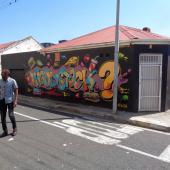
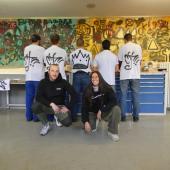
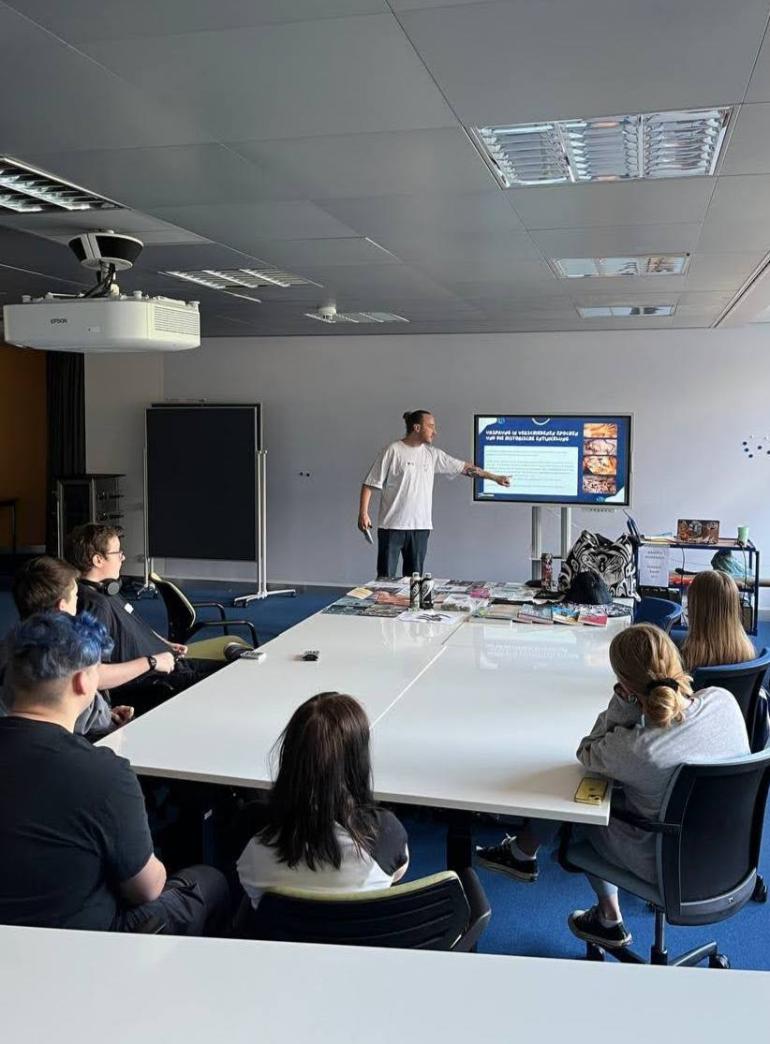
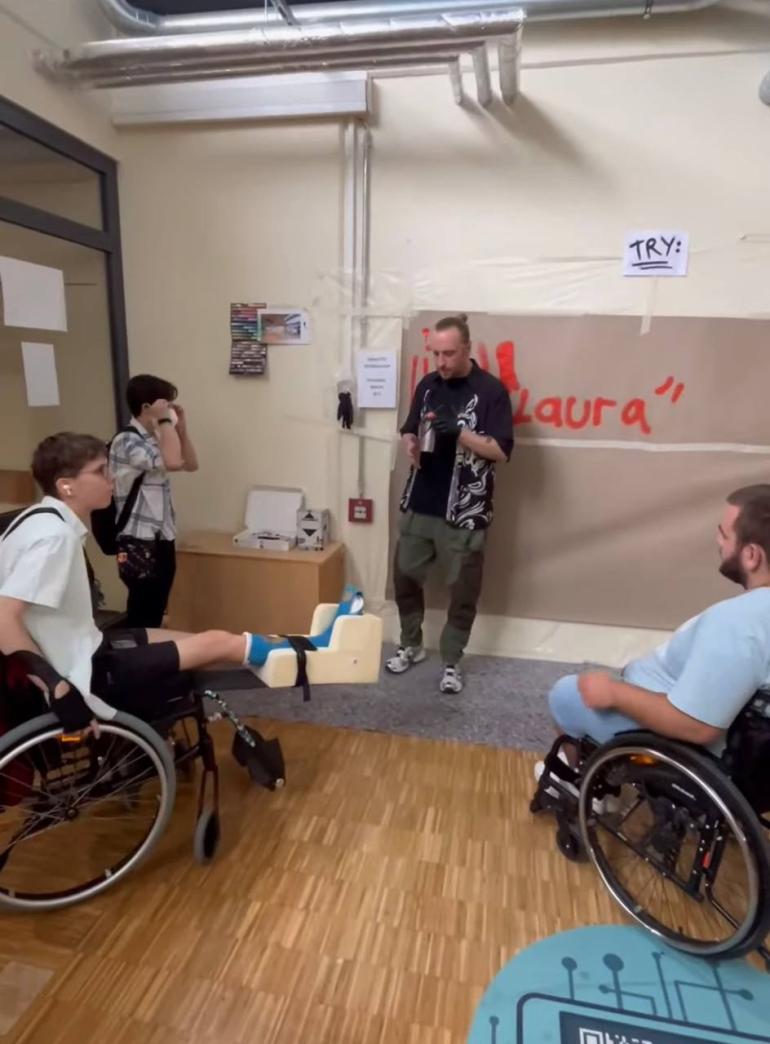
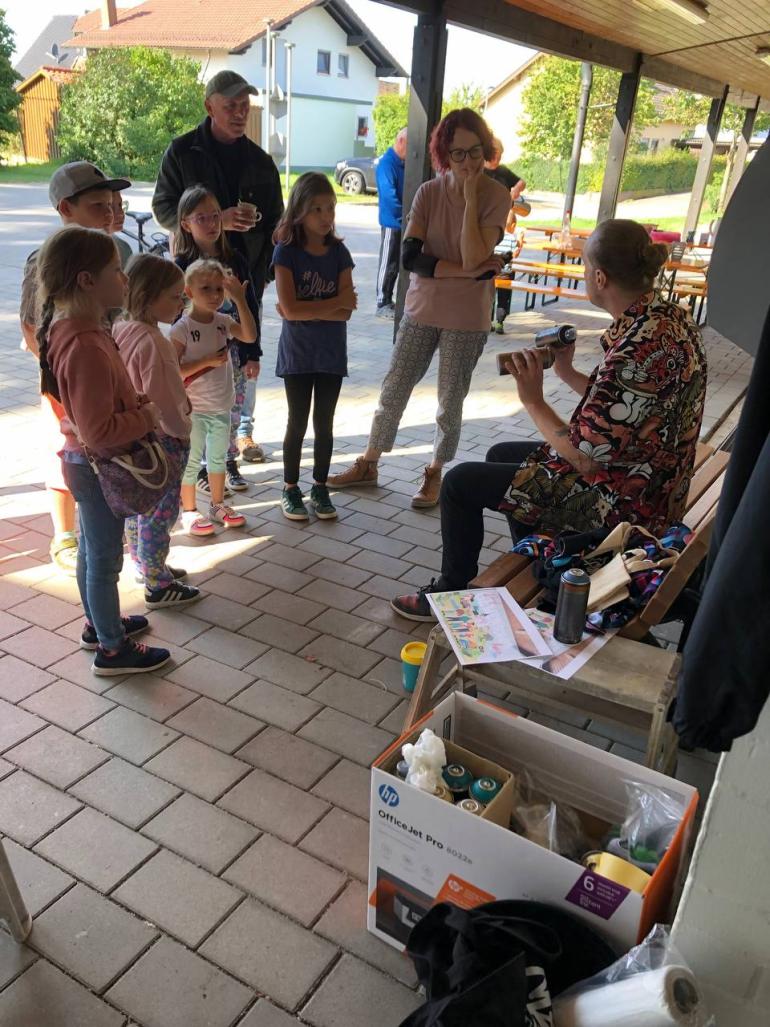
The international artist duo Clarafosca & Janis is active worldwide and showcases their art in projects ranging from corporate commissions to large, colorful murals, such as those in Barcelona. Clarafosca studied art in Barcelona, and the crew is well-known there. The duo lives in Bali during the winter and in Germany during the summer. Their work spans the spectrum from classic graffiti and commissioned art (murals) to socially engaged art education. The two also lead workshops, most recently at the juvenile detention center in Adelsheim. For Janis, the project in Mosbach-Reichenbuch was also a deeply emotional undertaking, as it brought him back to the place where he spent his youth.
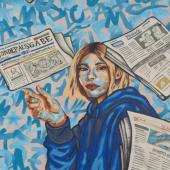
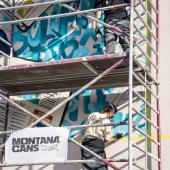
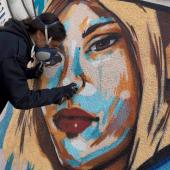
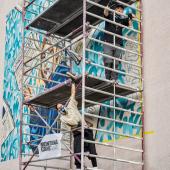
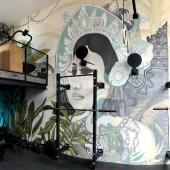
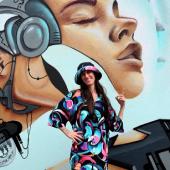
Clarafoscas’s career showcases a wide range of artistic techniques and skills, from watercolor and traditional pencil to acrylic and digital art. She developed her own style, blending new creative abilities with a fusion of illustration and street art, particularly beginning in 2004. She focuses primarily on painting aesthetic female forms, complemented by vibrant colors in graffiti and the transcendent fusion of natural forms. She describes her style as that of a “visual artist” who paints walls, graffiti, and canvases. Her works are often characterized by vibrant colors and tropical motifs. Her inexhaustible drive and passion for pushing artistic boundaries and exploring new horizons are reflected in her versatile work. Her pieces are full of energy and rhythm, shaped by the tension between control and spontaneity.
Janis also serves as the member of the artist duo responsible for the photorealistic elements, documentation, and the mural concept.
https://clarafosca.com
The artists create graffiti that connects rather than destroys. The two describe themselves as “international artists” who want to bring “good energy” to their neighborhoods. Clarafosca and Janis belong more to the practice-oriented urban art scene than to the highly documented gallery artists. Their art has a narrative and atmospheric quality.
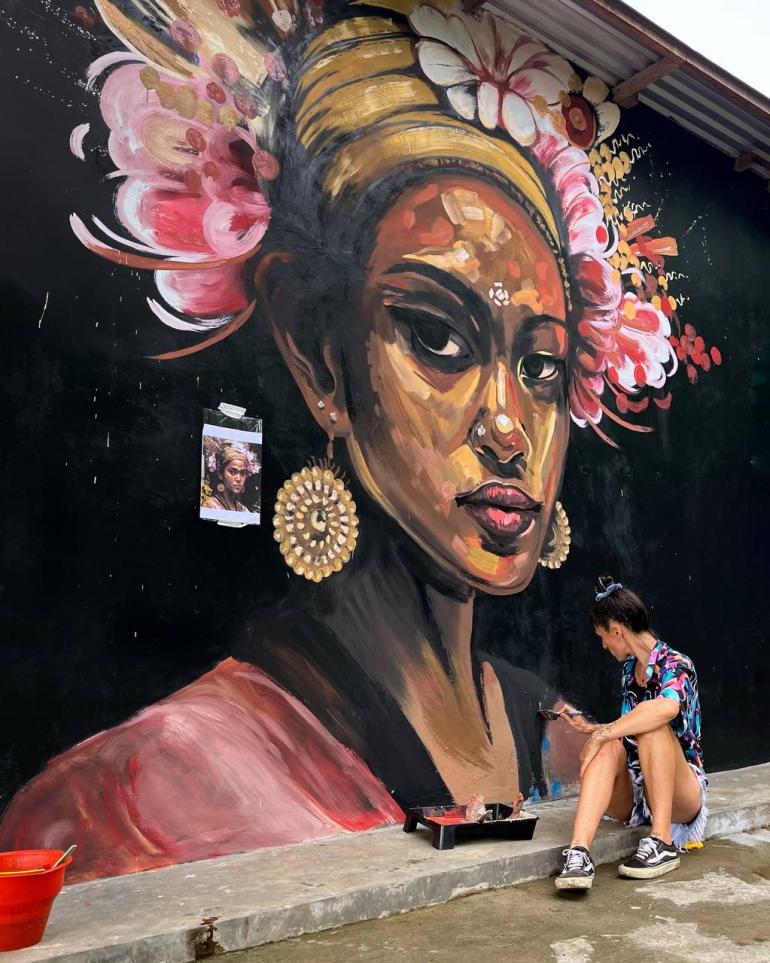
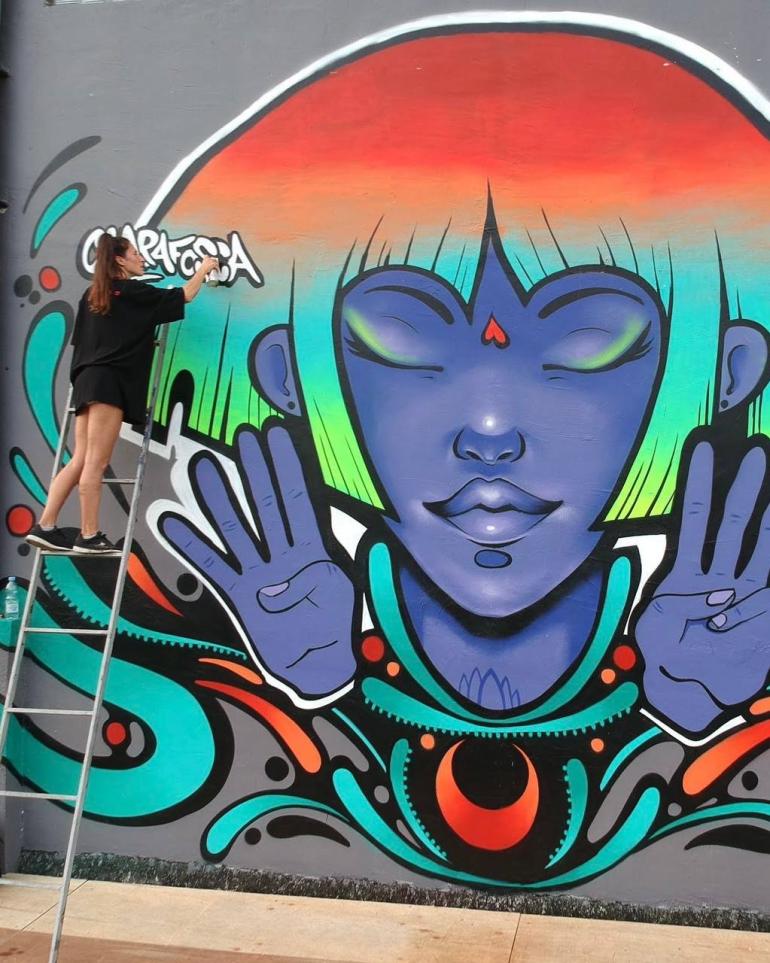
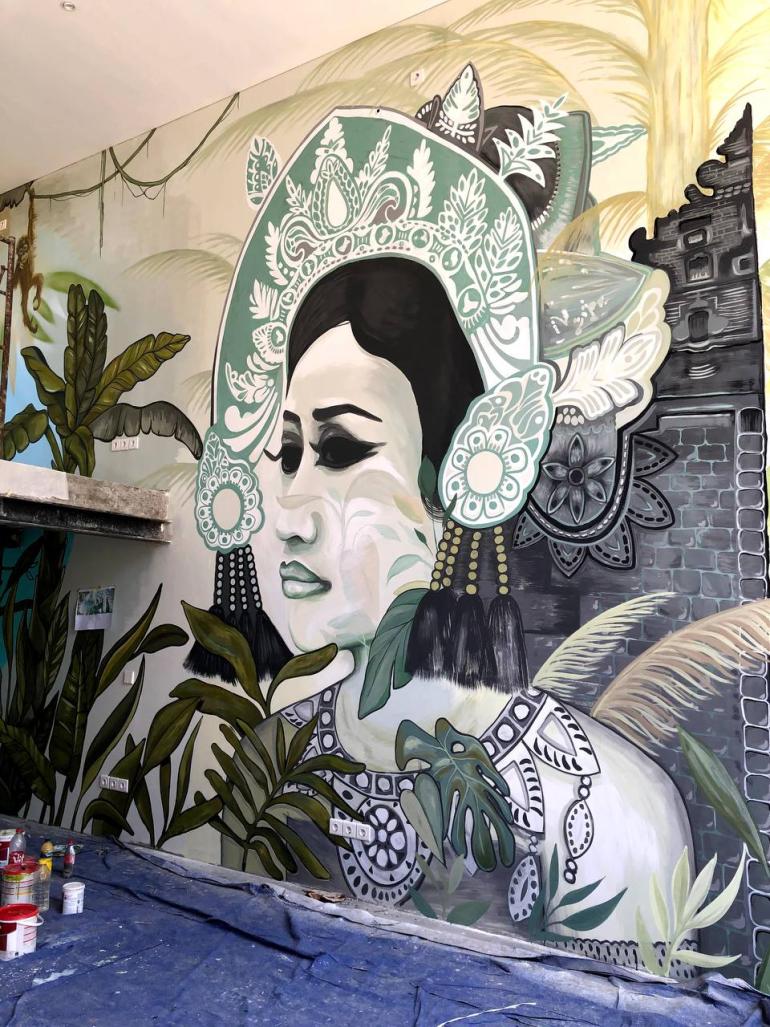
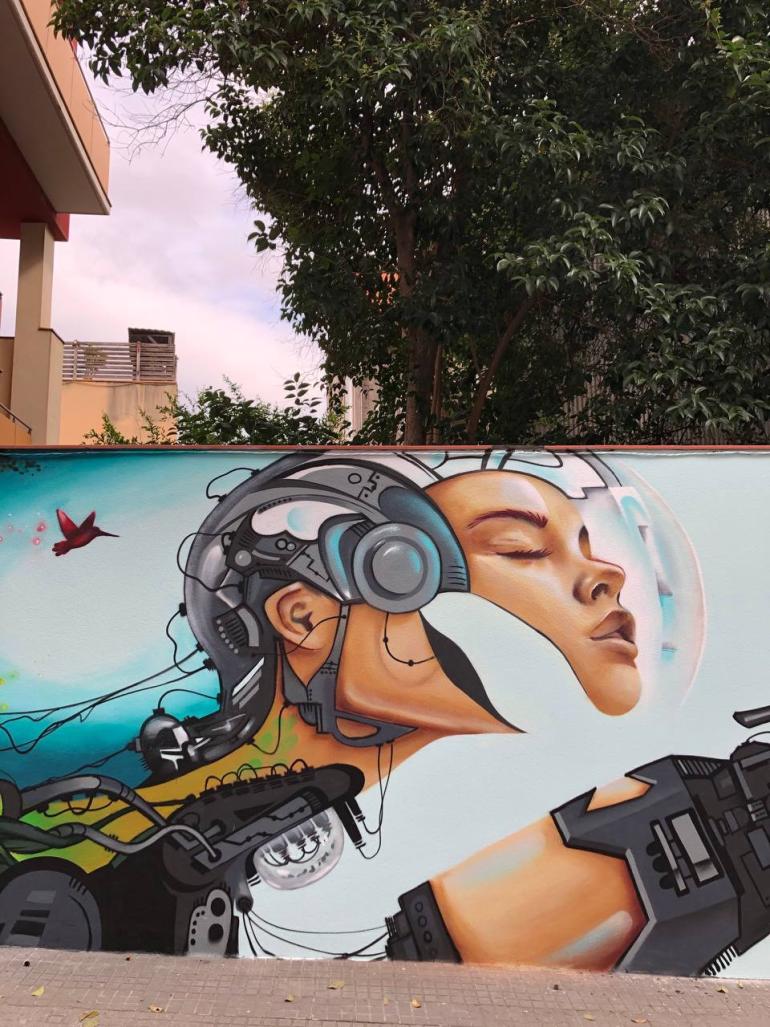
For the two artists, graffiti is a means of integration and communication. Their style is less rebellious in the traditional sense and is instead characterized by participation, education, and the transformation of spaces.
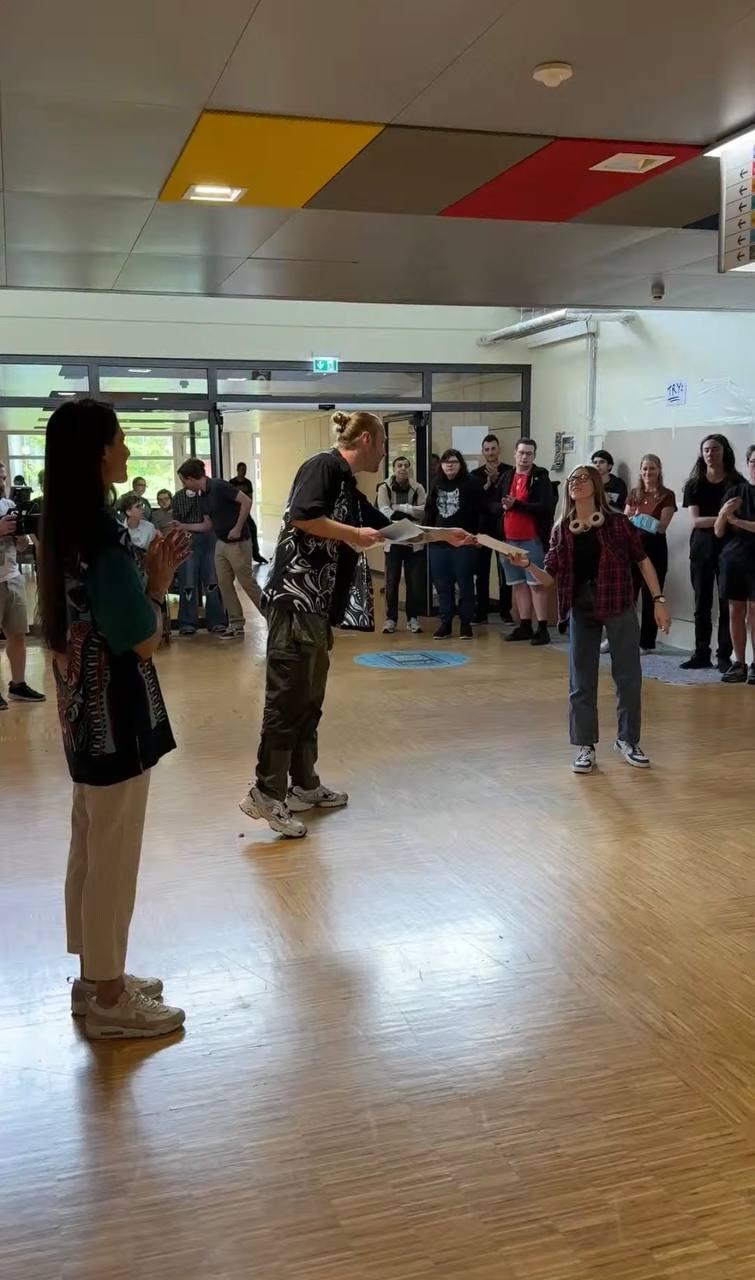
Community-oriented projects are another important part of their work. A key focus here is on collaborating with social groups, such as the graffiti workshop with inmates at the Adelsheim Juvenile Detention Center and partnerships with youth groups, fire departments, and the design of public buildings commissioned by local governments.
The educational component is central to their self-concept. Graffiti is understood as a tool for personal development—as an outlet for emotions and an opportunity to open up new perspectives.
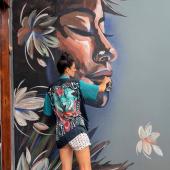
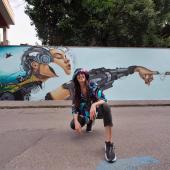
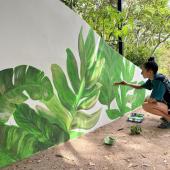
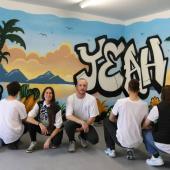
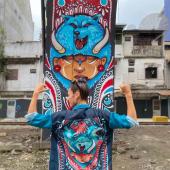
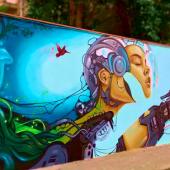
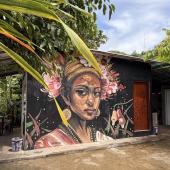
Artistic Style
Both artists frequently work in a narrative and figurative style. Their works depict
- people
- landscapes
- objects
- a combination of text and imagery.
Very often, their work blends urban aesthetics with narrative settings.
While graffiti was once associated almost exclusively with vandalism, it is now increasingly recognized as part of urban art and culture.
In the spring of 2026, the artists created a 64-square-meter mural on the editorial building of the Rhein-Neckar-Zeitung on Gartenweg in Mosbach—specifically, the winning design for the RNZ’s 80th anniversary, titled “Moving Lines.”
For four days, the duo worked at lofty heights, constantly accompanied by many interested onlookers ranging in age from 15 to 85. The Rhein-Neckar-Zeitung is responsible for creating a true eye-catcher for Mosbach and enhancing the cityscape, especially since the artwork can also be admired daily by thousands of motorists driving by on the B 27. The mural contributes to the aesthetic enhancement of Mosbach’s downtown and transformed a drab facade into a colorful eye-catcher. Such design elements enliven the cityscape and lend the city a modern, creative character.
It is to be hoped that local officials, not only in Mosbach, will identify additional spaces for artistic design. Bringing art into public spaces makes cities more interesting. In this way, artistically designed street art can certainly be part of a process of economic revitalization.
https://www.rnz.de/region/neckartal-odenwald_artikel,-Street-Art-in-Mosbach
The Rhein-Neckar-Zeitung has given the green light for this. Colorful, artistically designed walls of all kinds can beautify their surroundings, foster a sense of identity, spark discussions, and provide economic momentum.
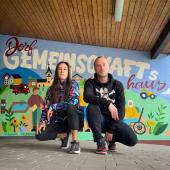
The two artists created a large, colorful, and impressive mural at the village community center in Reichenbuch, a hub of village life there. The design of this artwork incorporates many ideas from the village community, making it a collaborative effort between the residents and the artists.
A large entrance wall, once sterile and white, now displays scenes from the children’s everyday lives. This artistic design is far more than mere decoration—it fosters a sense of identity, evokes emotions, and influences social interaction within the village community. The schoolchildren now see colorful images—images that are familiar to them, typical scenes from everyday life. The graffiti fosters a sense of recognition; children feel seen and understood, and it conveys emotional security, as the school in the village community center now appears to them as a place that reflects their reality. This can inspire children to become creative themselves. Perhaps they will begin to expand on the depicted scenes, invent their own stories, or express their own experiences artistically. The social climate within the school can also be positively influenced by such artwork. The graffiti thus becomes an educational tool that goes beyond its visual impact.
An example that should set a precedent in the truest sense of the word.
International Presence of Clarafosca & Janis
Selected Works
2007
Street Art Exhibition & Live Painting, Asef, Casellar, Spain
2008
Group Art Exhibition, Escola Massana, Barcelona, Spain
2009
Group Exhibition & Live Painting, SnowBoArt, Vielha, Spain
2013
Graffiti Festival, Walls Talk 5, Sabadell, Spain
2019
Mural advertising for the “Avengers” movie, Apparition Media, Sydney, Australia
2020
Group exhibition, Lalaland, Bali, Indonesia
2021
Panino Italiano, exhibition of live painting and illustration, Bali, Indonesia
2022
Solo exhibition, Halokedungu, Bali, Indonesia
Meeting of Styles, graffiti festival, Karanganyer, Central Java, Indonesia
King Royal Pride graffiti event, Bali, Indonesia
2023
Meeting of Styles, Graffiti Festival, Seville, Spain
2024
Dax Motors’n Blues, Music Festival, Live Painting, Dax, France
Mural Jam, Graffiti Festival, Alelle, Spain